

Never beaten on craftsmanship & price.
Get $10 off your order
when you become a optically member
Never beaten on craftsmanship & price.
Get $10 off your order
when you become a optically member
Photochromic lenses, also called transition or light-adaptive lenses are one of the most genuinely useful innovations in everyday eyewear. They automatically darken in sunlight and return to clear indoors, meaning a single pair of glasses can handle both your prescription vision needs and your sun protection. But are they right for you? This guide covers everything.

Photochromic lenses contain special chemical compounds (typically silver halide or organic photochromic dyes) embedded within the lens material. When exposed to ultraviolet (UV) light, primarily from sunlight, these compounds undergo a chemical reaction that darkens the lens. When you move indoors and away from UV light, the reaction reverses and the lens gradually returns to clear.
The process is automatic and continuous. The lenses constantly adjust to your current light environment.
This varies by lens brand and quality, but as a general guide for modern photochromic lenses:
| Action | Approximate Time |
|---|---|
| Clear - fully dark (outside) | 30–90 seconds |
| Dark → fully clear (indoors) | 2–5 minutes |
Premium photochromic lenses (such as Transitions® brand) are noticeably faster than budget alternatives, particularly in the fade-back-to-clear phase. If the "slow to clear indoors" issue has put you off photochromic lenses in the past, it's worth knowing that modern versions have improved significantly.
Australia has some of the world's highest UV levels; the UV index regularly reaches extreme levels (10+) in summer, particularly in cities like Sydney, Brisbane and Perth. This matters for two reasons:
Photochromic lenses activate faster and darken more in high-UV environments. Australian conditions are actually ideal for getting the maximum benefit from this technology
UV protection is genuinely important in Australia; long-term UV exposure is a known risk factor for cataracts and macular degeneration. Photochromic lenses provide 100% UV protection whether dark or clear
If you're regularly moving between indoor and outdoor environments in an Australian summer, photochromic lenses are one of the most practical lens choices available.
Both solve the "I need prescription sun protection" problem, but differently:
| Photochromic Lenses | Prescription Sunglasses | |
|---|---|---|
| Number of pairs needed | One pair for all conditions | Two pairs (clear + sun) |
| Convenience | Very high automatic adjustment | Requires switching pairs |
| Outdoor darkness | Good (80–90% tint in bright sun) | Excellent (fixed 80–85% tint) |
| Driving | Limitations (see below) | No limitation |
| Indoor use | Fully clear | Too dark to wear inside |
| Cost | One pair - moderate cost | Two pairs - higher total cost |
| Style options | Slightly limited | Full range of frame/tint options |
This is the most important caveat to understand before buying photochromic lenses.
Standard photochromic lenses do not darken significantly inside a car. Modern car windscreens block most UV light, which is the trigger for the lenses to darken. The result: your photochromic glasses may remain mostly clear even on a very bright, sunny drive.
Polarised prescription sunglasses - the best dedicated solution for driving in bright conditions (see our prescription sunglasses range)
Transitions® XTRActive - a special photochromic variant designed to activate behind glass, offering better (though not complete) darkening while driving
Clip-on polarised lenses - attach over your photochromic glasses when driving in bright conditions
If you drive frequently in bright conditions, we recommend either a second pair of prescription sunglasses, or choosing an XTRActive-style photochromic lens specifically designed for driving.
Photochromic lenses are no longer limited to the classic grey tint. Available options now include:
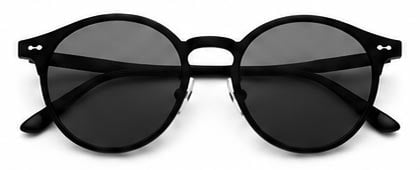
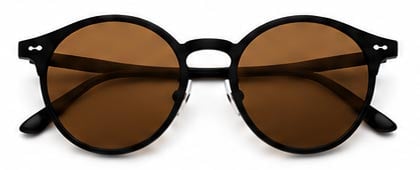
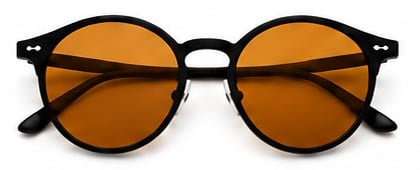
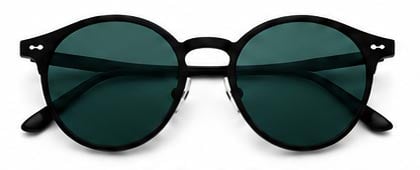
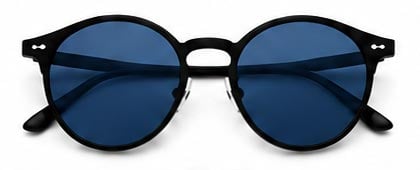
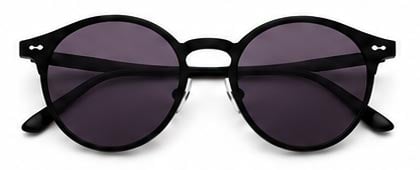
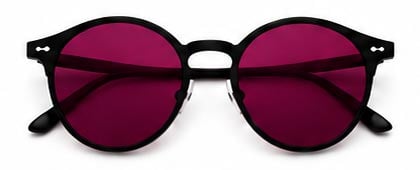
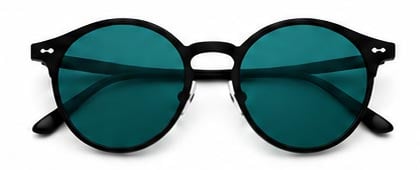
Grey remains the most popular because it doesn't alter colour perception. What you see in colour through grey photochromic lenses is accurate to real life.

Yes, photochromic lenses are available in:
Optically offers photochromic lenses across a wide prescription range. Contact us if you have a complex prescription and want to confirm your options.
Transitions® (owned by Essilor) is the most well-known photochromic brand. Their lenses are among the fastest and most consistent performers on the market, particularly:
their flagship everyday lens; fast activation, excellent clarity, virtually clear indoors. The most popular choice for general daily wear.
engineered to activate behind car windscreens where standard photochromic lenses won't darken. The best choice for people who spend significant time driving in bright conditions.
combines the automatic darkening of photochromic technology with the glare-eliminating benefits of polarisation. When the lenses darken outdoors, they also become polarised - ideal for driving, water activities and anyone who wants the best of both technologies in one lens.
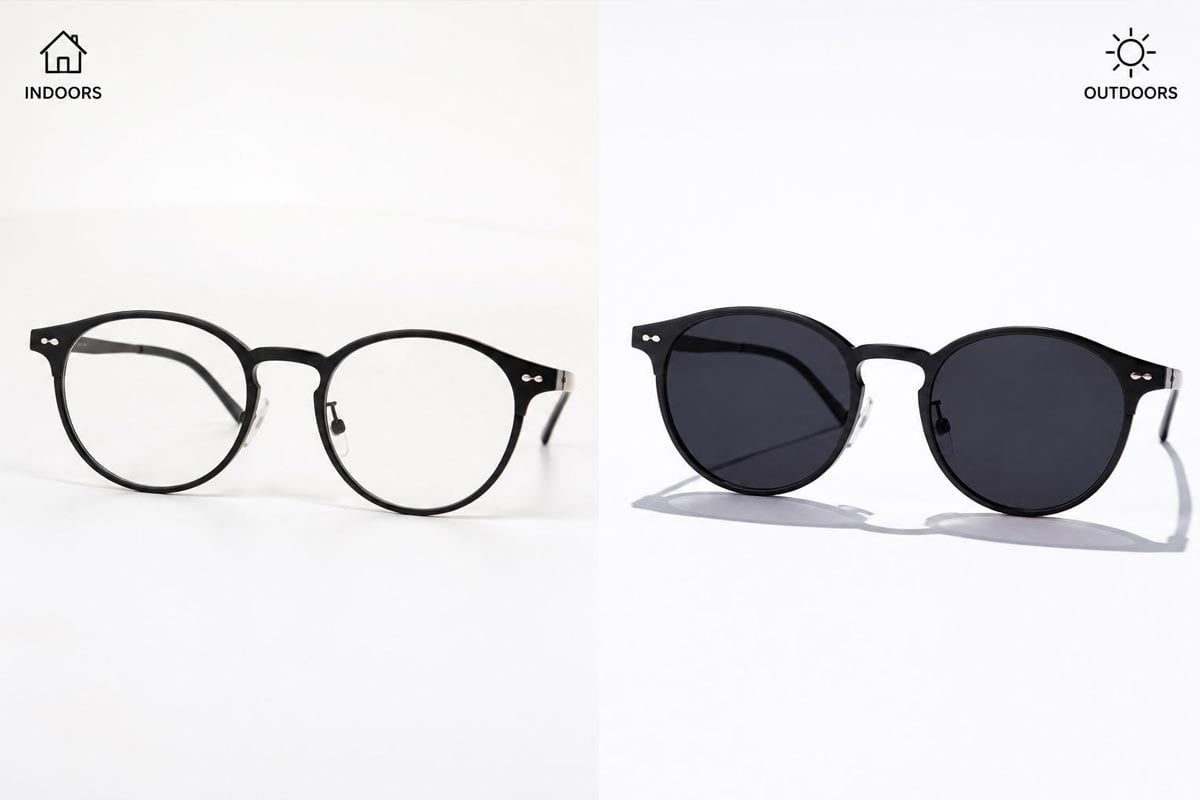
Generic photochromic lenses are available at a lower price point and perform well for everyday use. The main difference is typically the speed of activation and the fade-back time.
We at Optically offer all three Transitions® lens types - Signature S, XTRActive and Transitions® Polarised. They are available upon request across a wide range of prescriptions including single vision, progressive and high-index lenses.
Because Transitions® lenses are customised to your specific prescription and frame, we provide personalised quotes for these lenses. Getting a quote is easy:
Call or text us with your prescription details Email us your script and we'll come back to you with pricing and options
Our optical team will confirm which Transitions® product suits your prescription, lifestyle and budget and provide a full quote with no obligation.
Contact Us for a Transitions® Quote →The photochromic performance of lenses gradually diminishes over time. As a general guide:
This is worth bearing in mind for cost comparison purposes: if you're keeping glasses for 3+ years, factor in that photochromic performance may decline toward the end of that period.
Quick answers before choosing photochromic or Transitions® lenses.
Optically offers quality photochromic and Transitions® lenses across a wide range of prescriptions and frame types, at some of Australia's most competitive prices.
For our standard photochromic range, browse and order online. For Transitions® Signature S, XTRActive or Transitions® Polarised, simply get in touch with your prescription and we'll prepare a personalised quote for you.
Get a personalised Transitions® quote:
Call or text us with your script
Email your prescription to us directly
Our optical team will recommend the right Transitions® product for your lifestyle, confirm it suits your prescription, and provide full pricing - fast.